Why Public Relations Campaigns Matter
Public relations campaigns can control how businesses or organizations are perceived. If you fail with a campaign, the consequences will be damaging and immediate. Through research and insights from PR professions, it is clear that planning, strong research and crisis management are essential for success. By watching both PR crises and success, we can do better on understanding what separates effective campaigns from harmful ones.
The Best Practices From PR Professionals
There are several practices that can have a positive effect on one’s business. From the assigned podcasts, we learn what practices stand out. First, transparency is very critical to the process of crisis. Instead of avoiding accountability, it is very crucial that you respond quickly. Second, listening to your audience- especially social media, is very important. Pr is not a one way communication, but now it requires ongoing engagement and adaption. Then finally, your preparations always matters. Your crisis communication plans should already be planned before the issue even arises. This allows companies to respond strategically instead of emotionally.
Biggest PR Disaster: Kendall Jenner’s Pepsi Ad
One of the most widely criticized PR failures of the last decade was Pepsi’s 2017 advertisement featuring Kendall Jenner. The ad attempted to align their brand with the Social Justice movement that was happening at the time, but then they were quickly accused of trivializing serious issues like protests against police brutality.
This advertisement failed quickly because of lack of research and cultural awareness. According to a New York Times article, the ad was seen as tone-deaf and disconnected from the realities of activism (Victor, 2017). Pepsi also failed because of their response and how they did their response. They initially pulled the ad but then only offered a brief apology without fully addressing public concerns.
This ad could’ve gone a whole different direction if they would’ve conducted formative research, gotten audience analysis and cultural sensitivity reviews. By doing all of this, they could’ve anticipated the backlash. Additionally, involving diverse voices in the planning process may have prevented such a misstep.
Watch full advertisement below:
Big PR Success: Nike’s “Dream Crazy” Campaign
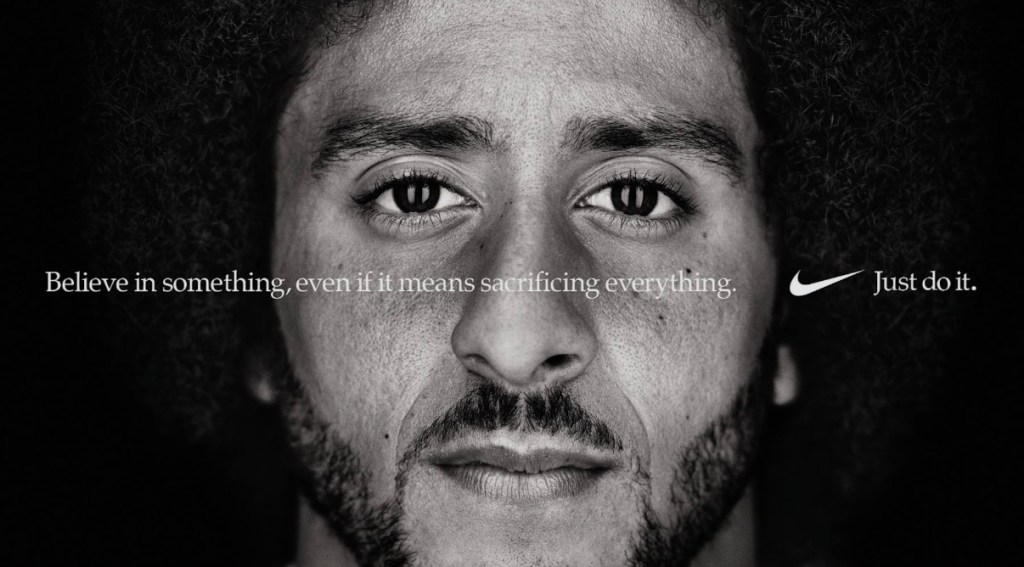
In contrast to Pepsi’s advertisement, Nike “Dream Crazy” campaign featuring Colin Kaepernick is often considered one of the most successful PR efforts in recent years. Despite initial controversy, Nike stood by its message supporting social justice and athlete activism.
The campaign succeeded so well because it was clear on what their brand values are and they have a strong audience understanding. According to PRWeek, Nike knew its core audience would respond positively to the message, even if others disagreed (PRWeek, 2018). Nike is successful with their advertisement because of their consistency. They align their message with long-standing brand themes of empowerment.
Nike’s approach reflects strong implementation and evaluation strategies within the RPIE model. The brand monitoring reactions allow the campaign to get built and ultimately lead to increased sales and brand engagement. Instead of backing down, the brand ultimately increased sales and strengthened overall engagement instead of backing down.
Final Thoughts on PR Success and Failure
The difference between the Pepsi ad and the Nike ad is that one was successful and one failed. The Nike ad highlights the importance of research, authenticity, and strategic communication. I believe that the most important factor for PR professionals is that they must understand their audiences. They also need to learn to anticipate audience reactions and respond effectively to crises. Ultimately, campaigns succeed when they are rooted in genuine values and supported by thoughtful planning.
References
PRWeek. (2018). Nike’s Dream Crazy campaign analysis. PRWeek. https://www.prweek.com
Supovitz, F. (2021, September 7). Richard Levick – Chairman/CEO of LEVICK: Managing the impossible | Communication during 9/11, BP oil spill, NFL/NIKE. When Things Go Wrong. https://open.spotify.com/episode/31klJZJUwfoNjgwOOyzLkl
Victor, D. (2017, April 5). Pepsi pulls ad accused of trivializing protests. The New York Times. https://www.nytimes.com
Weis, D. (2022, February 2). Sherwin-Williams paints itself into a corner on TikTok, with Tony Piloseno. Lead Balloon. https://podcasts.apple.com/us/podcast/sherwin-williams-paints-itself-into-a-corner-on/id1485450196?i=1000549764691


Leave a comment